Job Seeker Visa Countries: Where You Can Move First and Look for Work Legally
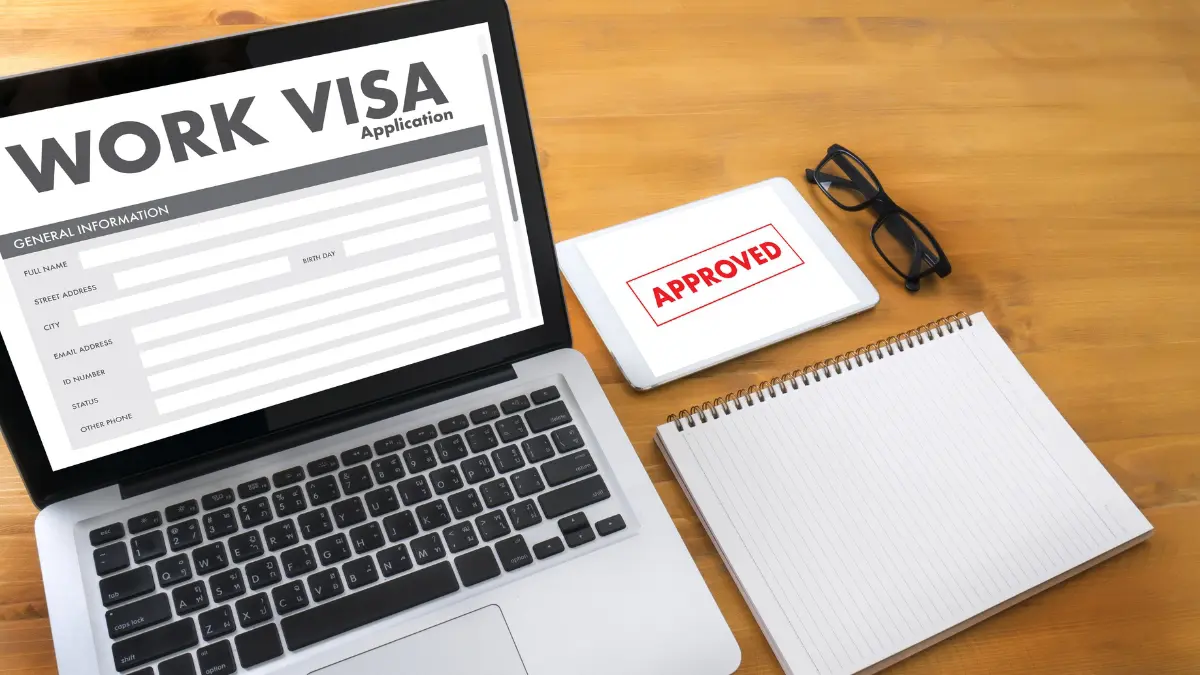
Job seeker visa countries are becoming more interesting for international applicants who want to work abroad but do not yet have an employer sponsor.
For many job seekers from Indonesia, India, Nigeria, South Africa, Kenya, Pakistan, the Philippines, Bangladesh, Ghana, Nepal, Sri Lanka, and other developing countries, the normal overseas job search can feel frustrating.
You apply from home.
You wait.
You receive automated rejections.
You wonder whether employers ignore you because you are not already in the country.
That is why job seeker visa countries can feel so attractive.
Instead of waiting for a company to sponsor you from abroad, some countries offer legal routes that may allow eligible applicants to enter the country first, search for work locally, attend interviews, meet employers, and then switch into a work or residence route if they secure a qualifying job.
But this is not a shortcut for everyone.
A job seeker visa does not mean guaranteed employment.
It does not mean you can work any job immediately.
It does not mean immigration approval is automatic.
It simply means that certain countries may allow eligible applicants to stay temporarily for the purpose of looking for work.
This guide explains the best job seeker visa countries, how these routes work, who may benefit, what documents to prepare, and how to avoid fake agents promising guaranteed jobs abroad.
If you are still comparing international jobs and visa routes, you can also browse global opportunities through ISKCON of Escondido Jobs while using this guide to build a smarter country strategy.
Why job seeker visa countries matter
Job seeker visa countries matter because they offer a different way to think about moving abroad.
Most work-abroad routes are employer-first.
That means:
- You need a job offer first
- The employer may need to sponsor you
- The role must meet visa rules
- The salary must qualify
- The employer must complete paperwork
- You may need to apply from outside the country
This can be difficult for international applicants because many employers prefer candidates who are already nearby, available for interviews, and easier to onboard.
A job seeker visa changes the order.
It may allow eligible applicants to:
- Enter the country first
- Search for work locally
- Attend interviews in person
- Network with employers
- Understand the labour market
- Compare cities and salaries
- Build local contacts
- Apply for a work route after receiving a valid job offer
That is why job seeker visa countries can be useful for applicants who are qualified but struggling to get attention from overseas.
The biggest truth about job seeker visa countries
The biggest truth is simple:
A job seeker visa lets you search for work. It does not guarantee work.
This is where many applicants get confused.
A job seeker visa is not the same as:
- A work permit
- A permanent residence visa
- A guaranteed job placement
- An employer sponsorship
- A right to accept any job
- A promise of long-term settlement
In many job seeker visa countries, you still need to convert your status later.
That may require:
- A qualifying job offer
- Salary requirement
- Employment contract
- Recognized qualification
- Language ability
- Professional license
- Proof of funds
- Health insurance
- Local registration
- Immigration approval
A job seeker visa opens a door.
You still need to walk through it carefully.
Job seeker visa countries vs visa sponsorship jobs
Before choosing a country, understand the difference.
Visa sponsorship jobs
Visa sponsorship jobs usually require an employer first.
The employer may need to support your visa, issue documents, complete labour-market steps, or prove they need a foreign worker.
This route can be strong when you already have a highly demanded skill.
Job seeker visa countries
Job seeker visa countries may allow eligible applicants to enter first and search for a job locally.
This can be useful when:
- Employers prefer local interviews
- Your industry values in-person networking
- You need to explore cities
- You want to understand the job market directly
- You have savings to support yourself during the search
- You meet the visa requirements before having a job offer
Both routes can work.
The right choice depends on your profile.
Best job seeker visa countries to research first
Not every country has a true job seeker visa.
Some countries have routes for highly qualified workers.
Some have visit visas to explore job opportunities.
Some have post-study job search permits.
Some have special cards or points-based job search systems.
For international applicants, the best job seeker visa countries to research first include:
- Germany
- United Arab Emirates
- Austria
- Sweden
These countries are useful because they have official routes that clearly mention job search or looking for work.
Job seeker visa countries: Germany
Germany is one of the strongest job seeker visa countries because of the Opportunity Card, also called the Chancenkarte.
The official Make it in Germany Opportunity Card page explains that the Opportunity Card can allow eligible non-EU applicants to come to Germany to look for suitable employment.
Germany is attractive because it has demand in sectors such as:
- Engineering
- IT
- Healthcare
- Skilled trades
- Manufacturing
- Technical roles
- Research
- Construction
- Logistics
- Care-related work
- Vocational occupations
Germany can be especially interesting for applicants who have formal qualifications, technical experience, and willingness to learn German.
How Germany works as one of the job seeker visa countries
Germany’s Opportunity Card is designed for job search.
The official Make it in Germany guidance says Opportunity Cards are initially issued as job search opportunity cards for a maximum of one year.
It allows eligible applicants to look for gainful employment or self-employment.
This matters because it gives applicants time inside Germany to meet employers, attend interviews, and test the labour market more directly.
However, applicants must meet eligibility rules.
The official guidance explains that there are two main ways:
- Applying as a recognized skilled worker
- Applying through the points system
Under the points-system route, applicants generally need formal training or a degree and must meet language requirements, such as German A1 or English B2, depending on the route.
Germany also requires proof of sufficient financial resources for the job search period.
Why Germany is one of the best job seeker visa countries
Germany can be strong because:
- It has a structured official route
- It has a large economy
- It has skilled labour demand
- It has technical and vocational opportunities
- It has clear official guidance
- It may allow limited part-time work during the job search
- It may allow trial work with employers
- It can lead to a work residence route if you find a qualifying job
Germany is not easy, but it is serious.
That makes it one of the most important job seeker visa countries for skilled applicants.
Who should consider Germany
Germany may fit applicants who have:
- University degree
- Vocational qualification
- Technical background
- IT experience
- Engineering experience
- Healthcare or care-related experience
- Manufacturing or skilled trade experience
- Strong documentation
- Funds for the job search period
- German or English language ability
- Willingness to adapt to German work culture
Germany may not be ideal for applicants who have no qualification, no savings, no language plan, and no clear occupation target.
Job seeker visa countries: United Arab Emirates
The United Arab Emirates is another important option among job seeker visa countries, especially for applicants who want to explore opportunities in Dubai, Abu Dhabi, Sharjah, and other emirates.
The UAE is attractive because it has international business hubs, hospitality, aviation, logistics, construction, retail, finance, tech, real estate, healthcare, and service-sector opportunities.
The official UAE Government jobseeker visit visa page explains that foreigners can be granted a visit visa to search for a job without requiring a host or sponsor in the country.
The UAE jobseeker visit visa can be valid for 60, 90, or 120 days.
How the UAE works as one of the job seeker visa countries
The UAE route is different from Germany.
Germany’s Opportunity Card is more qualification-focused and can be longer.
The UAE jobseeker visit visa is shorter and more like an official entry route to explore employment opportunities.
This can be useful if you want to:
- Attend interviews
- Meet recruiters
- Visit companies
- Explore the job market
- Compare cities
- Understand salary levels
- Search from inside the UAE
But there is a major warning.
A jobseeker visit visa is not a work permit.
The official UAE guidance on preparing to work states that UAE law strictly prohibits working while holding a visit or tourist visa.
That means you may enter to search for work, but you cannot legally start working until the correct employment visa or work authorization is arranged.
Why the UAE is one of the best job seeker visa countries
The UAE can be attractive because:
- It has a clear jobseeker visit visa
- It does not require a host or sponsor for that visit route
- It has many international employers
- English is widely used in business
- Recruitment can move quickly
- Many industries hire foreign workers
- It may suit applicants who can travel and interview in person
The UAE can be especially interesting for applicants in:
- Hospitality
- Customer service
- Sales
- Logistics
- Aviation
- Retail
- Finance
- Real estate
- Construction
- Healthcare
- Digital marketing
- IT
- Administration
However, the UAE can also be competitive and expensive.
Applicants should budget carefully.
Who should consider the UAE
The UAE may fit applicants who:
- Can fund a short job search trip
- Have a clear target industry
- Can interview well in English
- Have a polished CV
- Understand they cannot work on a visit visa
- Are ready to move quickly if hired
- Can verify employers and recruiters carefully
- Are comfortable in a fast-moving job market
The UAE may not be ideal for applicants who have no savings, no clear job target, or expect a job immediately after arrival.
Job seeker visa countries: Austria
Austria is another important option among job seeker visa countries, especially for very highly qualified workers.
Austria’s official migration portal explains that very highly qualified workers may apply for a Job Seeker Visa, which is a category D visa, through the Austrian representation in their home country or country of residence.
The same official guidance explains that applicants receive the Job Seeker Visa if the Public Employment Service confirms they reached the required points for admission.
The Austria Job Seeker Visa can allow very highly qualified applicants to enter Austria and gives them six months to find a suitable job.
How Austria works as one of the job seeker visa countries
Austria’s route is more selective than some other options.
It is not designed for everyone.
It is mainly for very highly qualified workers.
Applicants are assessed through a points system.
Factors may include areas such as:
- Education
- Qualifications
- Work experience
- Language ability
- Age
- Studies in Austria
- Special achievements, depending on the category
If the applicant finds a suitable employment offer during the validity of the Job Seeker Visa, they may apply for the Red-White-Red Card.
The official migration portal explains that a concrete employment offer is a primary requirement for the Red-White-Red Card and that the employment must match the applicant’s qualification while offering adequate pay.
Why Austria is one of the best job seeker visa countries
Austria can be attractive because:
- It has a clear Job Seeker Visa for very highly qualified workers
- It uses a points-based system
- It can lead to the Red-White-Red Card
- It is part of Europe
- It has strong living standards
- It may suit highly qualified professionals
- It offers access to a German-speaking labour market
Austria may be relevant for applicants in:
- Engineering
- IT
- Science
- Research
- Management
- Specialized technical fields
- Healthcare, if recognition requirements are met
- Highly skilled professional roles
This is not usually the best route for low-skilled jobs.
Who should consider Austria
Austria may fit applicants who have:
- Strong degree or qualification
- Specialized experience
- High professional profile
- German or English ability
- Points-system potential
- Savings for the search period
- Strong documents
- Clear career target
- Realistic salary expectations
Austria may not fit applicants who are looking for basic factory work, general service jobs, or quick migration without qualifications.
Job seeker visa countries: Sweden
Sweden is another option to research among job seeker visa countries, but it is targeted toward highly qualified people.
The Swedish Migration Agency provides a residence permit route for highly qualified persons who want to look for work or investigate the possibilities of starting a business.
The official Swedish application form says applicants must have completed studies corresponding to a second-cycle degree, such as a master’s degree or equivalent, and may receive a residence permit for up to nine months.
This makes Sweden attractive for highly educated applicants, not general job seekers.
How Sweden works as one of the job seeker visa countries
Sweden’s route is designed for people with advanced education.
It may be relevant if you have:
- Master’s degree or equivalent
- Strong professional background
- Specialized skills
- Business idea
- Savings
- Ability to support yourself
- Documents proving your education
- Serious plan to look for work or start a business
This route may allow eligible applicants to enter Sweden and look for work or investigate business opportunities.
However, like other job seeker visa countries, it does not guarantee employment.
You still need to find a job that meets Swedish work permit rules or qualify for another permit.
Why Sweden is one of the best job seeker visa countries
Sweden can be attractive because:
- It has a route for highly qualified job seekers
- It has a strong innovation economy
- It has tech, engineering, research, and startup opportunities
- English is widely used in some professional environments
- It may suit highly educated applicants
- It allows time to explore work or business opportunities
Sweden may be especially relevant for:
- Tech professionals
- Engineers
- Researchers
- Data professionals
- Product professionals
- Startup founders
- Highly educated specialists
- Business professionals
However, Sweden can be expensive, and competition can be strong.
Applicants must plan carefully.
Who should consider Sweden
Sweden may fit applicants who have:
- Master’s degree or equivalent
- Specialized work experience
- Strong English
- Potential Swedish language plan
- Savings
- Serious career direction
- Strong CV
- Tech, research, engineering, or business background
Sweden may not be ideal for applicants without higher education or enough funds to support the job search period.
Best job seeker visa countries by applicant profile
Different applicants should choose different countries.
There is no single best country for everyone.
Job seeker visa countries for IT professionals
IT professionals may research:
- Germany
- Sweden
- Austria
- UAE
Germany may be strong because of technical demand and the Opportunity Card.
Sweden may fit highly educated tech professionals.
Austria may fit very highly qualified IT specialists.
The UAE may work for applicants who want a faster, business-oriented job market.
Job seeker visa countries for engineers
Engineers may research:
- Germany
- Austria
- Sweden
- UAE
Germany and Austria can be strong for engineering, but qualification recognition and language may matter.
Sweden can suit highly educated engineers.
The UAE may offer engineering roles in construction, infrastructure, energy, and technical services.
Job seeker visa countries for healthcare workers
Healthcare workers should be careful.
Possible countries to research include:
- Germany
- Austria
- Sweden
- UAE
However, healthcare is usually regulated.
Applicants may need:
- Qualification recognition
- Professional registration
- Language proof
- Work authorization
- Employer support
- Local licensing
A nurse, doctor, or healthcare professional should never assume a job seeker visa alone is enough to start work.
Job seeker visa countries for hospitality workers
Hospitality applicants may find the UAE more practical than some European job seeker routes.
The UAE has hotels, restaurants, tourism, events, aviation, and service-sector employers.
Germany may also have opportunities, but language and qualification requirements may matter.
Austria and Sweden are less likely to be easy options for general hospitality applicants unless the applicant has strong qualifications or experience.
Job seeker visa countries for skilled trades
Skilled trades applicants may research Germany first.
Germany’s labour market can be relevant for vocational and technical workers, but qualification recognition, German language, and documents can be important.
Austria may be possible for highly qualified applicants, but it is more selective.
The UAE may be useful for construction, technical services, facility management, and infrastructure-related jobs.
Job seeker visa countries for fresh graduates
Fresh graduates need to be careful.
Many job seeker visa countries prefer applicants with qualifications, funds, and employability.
Fresh graduates may struggle if they have:
- No experience
- No language score
- No savings
- No clear occupation
- No strong CV
Germany can be interesting if the applicant meets Opportunity Card requirements.
Sweden may fit only if the applicant has advanced education.
The UAE may work for entry-level applicants who can fund a short job search and apply aggressively, but competition can be high.
How to choose between job seeker visa countries
Do not choose based only on popularity.
Choose based on fit.
Ask these questions:
- Does the country offer a real job seeker route?
- Do I meet the education requirements?
- Do I meet the language requirements?
- Do I have enough funds?
- Is my occupation in demand?
- Can I afford the job search period?
- Can I legally work during the search period?
- What happens if I do not find a job?
- Can I switch to a work permit after getting a job?
- Do I understand the local job market?
- Do I have a backup plan?
The best job seeker visa countries are not always the most famous ones.
They are the ones where your profile has the strongest chance.
Documents needed for job seeker visa countries
Requirements vary by country, but applicants often need documents such as:
- Passport
- Visa application form
- Passport photo
- Proof of qualification
- Degree certificate
- Vocational certificate
- Work experience letters
- CV
- Cover letter
- Proof of funds
- Health insurance
- Accommodation plan
- Language certificate
- Recognition documents
- Police certificate, if required
- Motivation letter
- Business plan, if starting a business
- Proof of previous employment
- Translation or legalization documents
Do not wait until the last week.
Document preparation can take time.
Money planning for job seeker visa countries
Money planning is one of the most important parts of this strategy.
When you enter a country to look for work, you may need to support yourself without stable income.
Budget for:
- Visa fee
- Flight
- Accommodation
- Food
- Transport
- Health insurance
- Phone plan
- Local registration
- CV printing
- Interview clothes
- Emergency fund
- Return ticket
- Document translations
- Qualification recognition
- Job search tools
For job seeker visa countries, the biggest danger is running out of money before finding a job.
A realistic budget is part of the visa strategy.
Can you work while searching in job seeker visa countries?
This depends on the country.
Do not assume.
Germany’s Opportunity Card may allow limited part-time work and trial work under official conditions.
The UAE jobseeker visit visa is for searching, but working on a visit or tourist visa is prohibited under UAE guidance.
Austria’s Job Seeker Visa is for finding suitable employment and then applying for the Red-White-Red Card after receiving a qualifying offer.
Sweden’s route allows highly qualified applicants to look for work or investigate starting a business, but you must check the conditions before doing any work.
This is why job seeker visa countries require careful reading.
A visa for looking for work is not automatically a visa for working.
Mistakes to avoid with job seeker visa countries
Many applicants lose money because they misunderstand the route.
Mistake 1: thinking the visa guarantees a job
No job seeker visa guarantees employment.
You still need to compete.
Mistake 2: arriving without savings
A job search abroad can take longer than expected.
Have emergency funds.
Mistake 3: choosing the wrong country
Do not choose Sweden with no higher education.
Do not choose Austria if you cannot meet the points system.
Do not choose Germany without understanding qualification and language rules.
Do not choose the UAE without enough money for a short, intense search.
Mistake 4: ignoring language
Even when English is possible, local language can improve your chances.
German helps in Germany and Austria.
Swedish can help in Sweden.
Arabic is not always required in the UAE, but English communication is usually important.
Mistake 5: trusting fake agents
Scammers love job seeker visa applicants.
Be careful with anyone promising:
- Guaranteed job after arrival
- Guaranteed visa
- No documents needed
- No funds needed
- No interview needed
- Work immediately on visit visa
- Fake bank statements
- Fake job offers
- Secret employer list
- Embassy connection
A real route can be verified through official sources.
Job seeker visa countries scam warning
Scams are common because job seeker routes sound exciting.
Be careful when someone says:
- Pay now and get a guaranteed job
- We can guarantee your Germany Opportunity Card
- We can sell you UAE jobseeker visa plus job
- We can arrange Austria points without documents
- You can work in UAE on visit visa
- Sweden does not require education proof
- No need to show funds
- No need for insurance
- We will create your fake experience letter
- Employer will sponsor after you pay
- Do not check official websites
- Embassy approval is guaranteed
A real immigration process does not need fake documents.
A real recruiter does not need to hide the rules.
A real opportunity survives verification.
60-day plan for job seeker visa countries
Use this plan before applying.
Days 1–7: choose your target country
Pick one country first.
Choose based on:
- Eligibility
- Occupation
- Language
- Funds
- Job market
- Long-term plan
Days 8–14: check official requirements
Read official government sources.
Write down:
- Visa name
- Duration
- Eligibility
- Documents
- Funds
- Language
- Work permission
- Next step after finding a job
Days 15–21: check your occupation
Research whether your occupation has demand.
Look for:
- Job boards
- Company career pages
- Salary ranges
- Required language
- Common qualifications
- Local CV format
- Professional registration
Days 22–30: prepare documents
Prepare:
- Passport
- CV
- Certificates
- Degree
- Work references
- Language proof
- Funds evidence
- Health insurance
- Translations
- Motivation letter
Days 31–40: build employer list
Create a spreadsheet with:
- Company name
- Job title
- Location
- Salary
- Career page
- Application date
- Interview status
- Follow-up date
Days 41–50: apply before arrival
Do not wait until you land.
Start applying before traveling.
This helps you test the market.
Days 51–60: make the final decision
Before applying for the visa, decide:
- Do I truly meet the requirements?
- Is my job market realistic?
- Do I have enough money?
- Do I have interviews lined up?
- Do I understand what happens if I fail?
- Do I have a return plan?
A job seeker visa should be a calculated move, not an emotional escape.
Are job seeker visa countries worth it?
Job seeker visa countries can be worth it when:
- You meet the eligibility requirements
- Your occupation has demand
- You have enough savings
- Your documents are ready
- You can handle rejection
- You understand local job search culture
- You have a strong CV
- You apply before arrival
- You know the next visa step after getting a job
- You avoid fake agents
They may not be worth it when:
- You have no clear target occupation
- You do not meet education requirements
- You do not have enough funds
- You expect instant employment
- You are relying only on agents
- You refuse language preparation
- You do not understand visa conditions
- You have no backup plan
A job seeker visa can be powerful.
But only for prepared applicants.
Final thoughts on job seeker visa countries
Job seeker visa countries are useful because they give certain applicants a chance to move first and search for work legally.
That can be a huge advantage.
Being inside the country can make interviews easier, networking stronger, and employer conversations more direct.
But the route is not magic.
Germany, the UAE, Austria, and Sweden each have different requirements, durations, documents, and conditions.
Germany may suit skilled workers and points-based applicants.
The UAE may suit people who want a short, active job search in a fast-moving market.
Austria may suit very highly qualified workers.
Sweden may suit highly educated applicants with advanced qualifications.
The smartest applicants do not ask:
Which country is easiest?
They ask:
Which job seeker visa country fits my qualifications, funds, language, occupation, and long-term plan?
That question is safer.
That question is more realistic.
And that question can protect you from wasting money on the wrong country.
Start with official sources, build a real plan, prepare documents, apply before arrival, and use ISKCON of Escondido Jobs to keep comparing international job options while you research the best route for your profile.
Frequently asked questions about job seeker visa countries
What are job seeker visa countries?
Job seeker visa countries are countries that offer a visa or residence route allowing eligible foreign applicants to enter or stay temporarily for the purpose of looking for work.
Which are the best job seeker visa countries?
Some strong countries to research include Germany, the UAE, Austria, and Sweden. Each country has different rules, eligibility requirements, duration, and next steps after finding a job.
Does a job seeker visa guarantee a job?
No. A job seeker visa only allows eligible applicants to search for work under the visa conditions. It does not guarantee employment or work authorization.
Can I work on a job seeker visa?
It depends on the country. Germany’s Opportunity Card may allow limited part-time work and trial work under official conditions, while the UAE prohibits working on visit or tourist visas.
Is Germany one of the best job seeker visa countries?
Yes, Germany is one of the strongest options because the Opportunity Card can allow eligible applicants to look for work in Germany for up to one year.
Is the UAE one of the job seeker visa countries?
Yes. The UAE offers a jobseeker visit visa that allows foreigners to search for a job without requiring a host or sponsor for that visit visa.
Is Austria a job seeker visa country?
Yes. Austria offers a Job Seeker Visa for very highly qualified workers who meet the points requirement and want to find suitable employment.
Is Sweden a job seeker visa country?
Sweden has a residence permit route for highly qualified persons who want to look for work or investigate starting a business, usually requiring education equivalent to a master’s degree.
Do I need money for job seeker visa countries?
Yes. Most job seeker routes require proof that you can support yourself during the job search period.
Which job seeker visa countries are best for IT workers?
Germany, Sweden, Austria, and the UAE may all be worth researching for IT workers, depending on qualifications, experience, language, and job market fit.
Which job seeker visa countries are best for fresh graduates?
Fresh graduates should be careful. Germany may be possible if requirements are met, while Sweden usually targets highly qualified applicants. The UAE may be possible for short job searches, but competition is strong.
Should I pay an agent for job seeker visa countries?
Be careful. Do not pay anyone who promises guaranteed jobs, fake documents, or guaranteed visa approval. Always verify requirements through official government sources.
Official sources and useful links
- Germany: Opportunity Card for Job Search
- Germany: Opportunity Card Self-Check
- UAE: Jobseeker Visit Visa
- UAE: Preparing to Work
- Austria: Very Highly Qualified Workers
- Austria: Points Calculator
- Sweden: Residence Permits to Look for Work
- Sweden: Residence Permit for Highly Qualified Persons Form
- ISKCON of Escondido Jobs


Leave a Reply