Work in Slovakia for Foreigners: Jobs, Visa Routes, and Real Opportunities in Europe
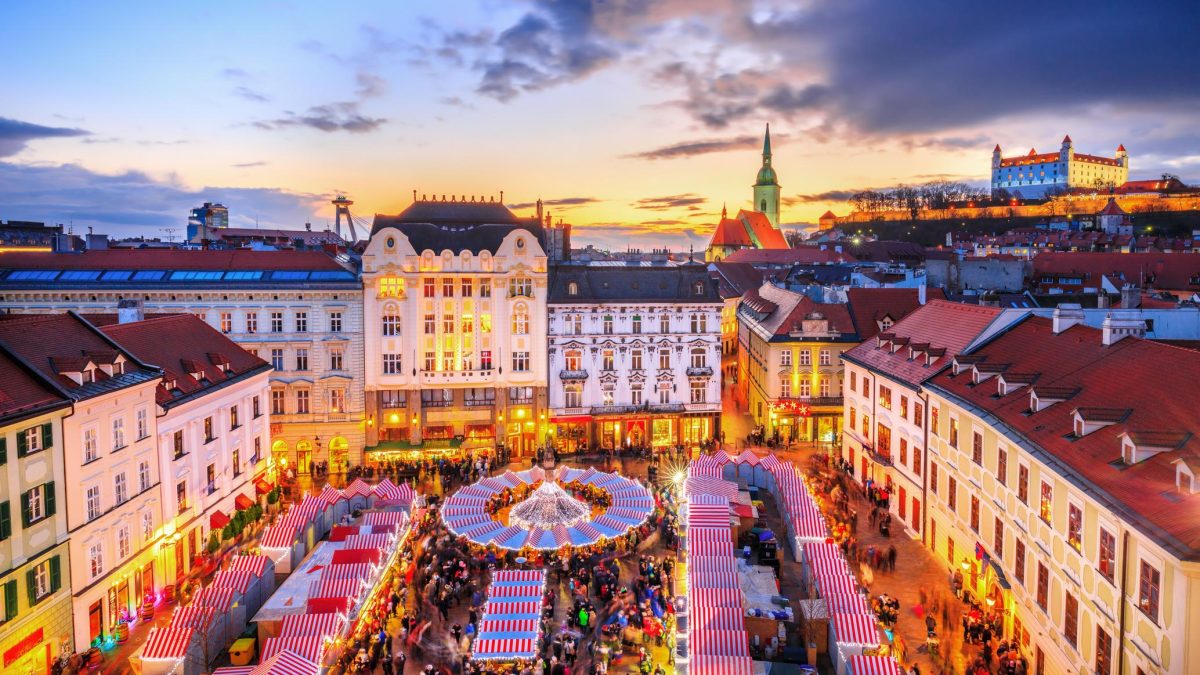
Work in Slovakia for foreigners may not be the first idea people mention when they talk about moving to Europe.
Most international job seekers think about Germany, the United Kingdom, Ireland, Canada, Australia, or the United States first.
But that is exactly why Slovakia can be interesting.
It is less crowded in the imagination of global job seekers, but it still sits inside Europe, has a real labour market, and may offer opportunities in manufacturing, logistics, healthcare, IT, engineering, services, and skilled technical roles.
For applicants from Indonesia, India, Nigeria, South Africa, Kenya, Pakistan, the Philippines, Bangladesh, Ghana, Nepal, and other developing countries, Slovakia can be worth researching when the goal is to build a serious European work plan.
However, this is not an “easy Europe” shortcut.
To work in Slovakia for foreigners, non-EU applicants usually need the right employer, the right residence or work route, the right documents, and a realistic understanding of salary, language, relocation, and labour-market demand.
This guide explains why Slovakia may be worth considering, which jobs may be realistic, how the work permit and residence process works, how the EU Blue Card may apply, and how to avoid fake European job offers.
If you are still comparing jobs abroad, you can also browse international opportunities through ISKCON of Escondido Jobs and use this Slovakia guide to decide whether the country fits your profile.
Why Work in Slovakia for Foreigners Is Worth Researching
Slovakia is a Central European country with strong links to manufacturing, transport, automotive supply chains, shared services, technology, and regional European business.
It may be attractive because:
- It is located inside Europe
- It can be less expensive than some Western European countries
- It has industrial and manufacturing activity
- It has demand in selected skilled and technical sectors
- It may offer EU work experience
- It can be a useful stepping stone for a broader European career
- Some employers may need foreign workers for hard-to-fill roles
- It is close to countries such as Austria, Czechia, Hungary, Poland, and Germany
For some applicants, Slovakia may not be the final destination.
It may be the first serious European work experience.
That matters.
A verified job, legal residence, and European work history can be more valuable than chasing unrealistic promises in a more famous country.
Is Slovakia Really Hiring Foreign Workers?
Yes, Slovakia can have opportunities for foreign workers, but the market is not open to everyone in every field.
EURES Slovakia notes that job seekers should consider actual available vacancies, shortage occupations, their own qualifications, and practical skills when choosing an occupation.
EURES also reports that Slovakia has had vacancies in areas such as:
- Industry
- Transport and storage
- Wholesale and retail
- Health and social assistance
- Machine operation
- Assembly work
- Crafts
- Services and trade
- Specialist roles
- Administrative work
It also notes that the information technology sector has struggled with a shortage of specialists, while healthcare has faced shortages of doctors and nurses.
This does not mean every foreign applicant can immediately get a job.
It means there are sectors worth researching carefully.
The Best Jobs in Slovakia for Foreigners to Research
Different applicants should focus on different opportunities.
The best route depends on your work experience, education, language ability, and whether an employer can legally hire you.
Manufacturing and Factory Jobs
Slovakia has a strong industrial base, and manufacturing-related roles may be relevant for some foreign workers.
Possible roles include:
- Machine operator
- Assembly worker
- Production worker
- Quality control assistant
- Warehouse worker
- Maintenance technician
- Industrial technician
- Manufacturing support worker
- Packaging worker
These jobs may be more accessible for applicants with practical experience, physical readiness, and willingness to work shifts.
However, applicants should check:
- Contract terms
- Working hours
- Overtime rules
- Accommodation arrangements
- Salary deductions
- Transport to workplace
- Safety conditions
- Whether the employer can legally hire third-country nationals
Do not accept vague offers such as:
Factory job in Slovakia, guaranteed visa, pay now.
A real employer should provide clear job details.
Logistics, Warehouse, and Transport Roles
Slovakia’s location in Central Europe can make logistics and warehousing relevant.
Possible jobs include:
- Warehouse operator
- Forklift operator
- Logistics assistant
- Picker and packer
- Inventory worker
- Dispatch assistant
- Transport coordinator
- Delivery operations worker
These roles may suit applicants who have experience in warehouse systems, stock control, basic logistics software, or physical operations.
Applicants should verify whether the job requires:
- Local licence
- Forklift certification
- Slovak or English communication
- Shift work
- Night work
- Physical labour
- Employer-arranged transport
IT and Technology Jobs
IT can be one of the stronger routes for international applicants who want to work in Slovakia for foreigners in a professional role.
Possible positions include:
- Software developer
- QA tester
- IT support specialist
- Systems administrator
- Data analyst
- Cybersecurity specialist
- Cloud engineer
- DevOps engineer
- ERP consultant
- Technical support analyst
IT applicants may have an advantage if they can show:
- Real projects
- GitHub or portfolio
- Certifications
- English communication
- Experience with international teams
- Technical interview readiness
- Ability to work in a structured environment
Some IT roles may use English, especially in international companies, but Slovak language can still help with daily life and broader job access.
Healthcare and Social Assistance
Healthcare and social assistance may offer opportunities, but they can also be highly regulated.
Possible areas include:
- Nurses
- Doctors
- Care workers
- Healthcare assistants
- Social care support roles
- Medical specialists
- Rehabilitation-related roles
Healthcare applicants must be especially careful about:
- Qualification recognition
- Professional licensing
- Language requirements
- Employer legitimacy
- Work permit process
- Salary and accommodation
- Whether the role truly matches their training
A nurse, doctor, or healthcare professional should not assume that foreign qualifications are automatically accepted.
Recognition and registration may be required.
Engineering and Technical Roles
Engineering can be relevant in Slovakia because of industrial, automotive, manufacturing, construction, and technical sectors.
Possible jobs include:
- Mechanical engineer
- Electrical engineer
- Industrial engineer
- Process engineer
- Quality engineer
- Automation technician
- Maintenance engineer
- Civil engineer
- Technical project coordinator
Applicants should prepare:
- Degree certificates
- Work experience letters
- Technical portfolio
- Software skills
- Safety training
- English or Slovak language evidence
- Professional references
- Recognition documents when needed
Engineering candidates often do better when they show project results, not just job titles.
Shared Services, Finance, and Administration
Some international companies operate business service centres in Central Europe.
Possible roles include:
- Accountant
- Accounts payable specialist
- Payroll assistant
- HR operations specialist
- Procurement assistant
- Customer operations specialist
- Finance analyst
- Data processing specialist
- Administrative coordinator
These roles may require English and sometimes another European language.
Applicants from developing countries may be competitive if they bring:
- Strong English
- Finance or HR operations experience
- ERP knowledge
- Excel skills
- Shared-service background
- Customer support experience
- International communication ability
Hospitality and Service Jobs
Hospitality and service work may exist, but applicants should be careful.
Possible roles include:
- Hotel worker
- Kitchen assistant
- Housekeeping staff
- Restaurant worker
- Service assistant
- Cleaning worker
- Seasonal support worker
These jobs may involve lower wages, physical labour, shift work, and language needs.
Before accepting, verify:
- Salary
- Accommodation
- Food arrangements
- Deductions
- Contract duration
- Working hours
- Visa support
- Employer identity
Lower-skilled roles can be more vulnerable to recruiter abuse, so verification matters.
Main Route: Temporary Residence for Employment
For many non-EU applicants, the key route to work in Slovakia for foreigners is temporary residence for the purpose of employment, often linked to a single permit to reside and work.
The European Commission’s EU Immigration Portal explains that a single permit to reside and work is a type of temporary residence for employment. It is issued after confirmation on the possibility to fill a vacancy.
In simple terms, the process often involves:
- Finding a Slovak employer
- Employer reporting the vacancy to the Labour Office
- Applying for temporary residence for employment
- Submitting required documents
- Waiting for the relevant authority’s decision
- Receiving residence permission connected to the job
The official EU Immigration Portal states that, before a single-permit application, the future employer must report the vacancy to the competent Office of Labour, Social Affairs and Family at least 20 working days before the temporary residence application.
This is important because the employer is not just “giving you a letter.”
The employer may need to follow a formal labour-market process.
Documents Usually Needed for Employment Residence
The EU Immigration Portal lists documents that may be required for temporary residence for employment or a single permit.
These may include:
- Completed official application form
- Valid passport
- Colour photographs
- Employment contract or written promise of employment
- Work permit, if required in the specific case
- Documents proving education for regulated professions
- Criminal record statement
- Proof of accommodation
- Proof of financial resources
- Other documents depending on the case
Documents may need to be officially translated, authenticated, apostilled, or superlegalised depending on the country and document type.
Do not wait until after the job offer to start organizing documents.
Slow documents can make a real employer move on.
EU Blue Card in Slovakia
The EU Blue Card can be another route to work in Slovakia for foreigners, especially for highly qualified workers.
The European Commission explains that an EU Blue Card applicant in Slovakia generally needs:
- A valid work contract or binding job offer for highly qualified employment
- A duration of at least six months
- A salary meeting the required threshold
- Documents proving higher professional qualifications
- Passport and residence or visa documents where applicable
- Photo, criminal record statement, and proof of accommodation
The European Commission also notes that Slovakia’s standard EU Blue Card validity is five years, or the employment contract duration plus 90 days if the contract is shorter.
This route is usually more relevant for professionals such as:
- IT specialists
- Engineers
- Data professionals
- Researchers
- Highly qualified technical workers
- Certain finance or business specialists
- Senior professionals with strong credentials
It is not usually the first route for low-skilled work.
EU Blue Card vs Single Permit: Which One Fits?
Use this simple comparison.
Single Permit for Employment
This may fit applicants who have:
- A job offer from a Slovak employer
- A role that does not qualify as highly skilled employment
- Practical or technical experience
- Manufacturing, logistics, service, or skilled worker background
- Employer support for the labour-office process
EU Blue Card
This may fit applicants who have:
- Higher professional qualifications
- A highly qualified job offer
- Salary meeting the threshold
- Strong education or professional background
- Roles in IT, engineering, science, finance, or specialized fields
Both routes require serious documents.
Neither route means “pay an agent and go.”
What About EU Citizens?
EU citizens have a different position.
IOM Migration Information Centre states that EU citizens can be employed in Slovakia without a work or other permit.
That is very different from applicants from Indonesia, India, Nigeria, Kenya, Pakistan, Philippines, Bangladesh, Ghana, Nepal, and other non-EU countries.
If you are a non-EU applicant, you must check the conditions that apply to your residence type, work type, length of stay, and situation.
Do not copy advice meant for EU citizens.
How to Find Jobs in Slovakia From Abroad
A smart Slovakia job search should not depend on one recruiter.
Use multiple sources.
1. EURES
EURES is a European network of public employment services coordinated by the European Labour Authority. Its purpose is to support fair job mobility in Europe.
Use EURES to research:
- Job categories
- Slovak vacancies
- Required skills
- Regions with demand
- Employer types
- Language requirements
- Salary patterns
EURES is especially useful because it is connected to official European employment services.
2. Slovak Labour Office and Public Employment Services
The Slovak labour system plays an important role in employment of third-country nationals.
When a Slovak employer wants to hire a non-EU worker, the Labour Office process may be involved.
Applicants should understand that a serious employer should know how to handle the vacancy reporting or confirmation process.
If the employer cannot explain anything clearly, be careful.
3. Company Career Pages
Many real jobs appear directly on company websites.
Search for employers in:
- Manufacturing
- Automotive supply chain
- Logistics
- Shared services
- IT
- Engineering
- Healthcare
- Hospitality
- Construction
- Business services
Check whether the company:
- Has a real website
- Lists current vacancies
- Uses a company email domain
- Has an HR contact
- Provides clear job descriptions
- Mentions visa or relocation support
- Has a physical address
- Appears legitimate on business platforms
4. International Job Boards
You can use job boards, but do not trust them blindly.
Search terms may include:
- Slovakia jobs for foreigners
- English speaking jobs Slovakia
- Factory jobs Slovakia
- Warehouse jobs Slovakia
- IT jobs Slovakia
- EU Blue Card Slovakia jobs
- Slovakia work permit jobs
- Engineering jobs Slovakia
- Healthcare jobs Slovakia
Then verify the employer through official and direct sources.
5. ISKCON of Escondido Jobs
You can also explore broader international jobs through ISKCON of Escondido Jobs.
Use the site to compare job categories, then verify any Slovakia-specific opportunity through official sources such as EURES, the Slovak Labour Ministry, IOM Migration Information Centre, and the EU Immigration Portal.
How to Read a Slovakia Job Offer
Read every Slovakia job offer carefully.
A serious job offer should include:
- Employer name
- Job title
- Work location
- Salary
- Working hours
- Contract type
- Job duties
- Accommodation details, if included
- Transport details, if included
- Deductions
- Visa or residence process
- Who pays which costs
- Start date
- Contact person
- Official employer email
Be careful if the offer only says:
Slovakia job available. Salary high. Visa guaranteed. Pay now.
That is not a proper job offer.
Questions to Ask Before Accepting a Slovakia Job
Before accepting an offer, ask:
- What is the exact employer name?
- Where is the workplace?
- What is the exact job title?
- What are the daily duties?
- What is the gross salary?
- What is the expected net salary?
- Are accommodation and transport included?
- Are deductions clearly written?
- What residence or work route applies?
- Will the employer report the vacancy to the Labour Office?
- Who prepares the documents?
- Who pays official fees?
- What happens if the application is refused?
- Can I review the contract before paying anything?
- Can I contact the employer directly?
If the recruiter refuses basic questions, stop.
Language: Do You Need Slovak?
For some jobs, English may be enough.
For many jobs, Slovak language can help a lot.
In manufacturing, warehouse, healthcare, hospitality, or service environments, workers may need to understand:
- Safety instructions
- Work schedules
- Supervisor communication
- Emergency procedures
- Housing rules
- Contract terms
- Daily life tasks
Even basic Slovak can make life easier.
Useful early phrases include:
- Greetings
- Numbers
- Days and times
- Workplace instructions
- Safety words
- Asking for help
- Reporting problems
- Basic shopping and transport language
For IT and international business roles, English may be more common, but Slovak can still improve integration and long-term opportunities.
Salary and Cost of Living Reality
Slovakia may be cheaper than countries such as the UK, Ireland, Switzerland, or some parts of Germany.
But salary expectations must still be realistic.
Before moving, calculate:
- Gross salary
- Net salary after deductions
- Rent
- Utilities
- Food
- Transport
- Health insurance
- Phone plan
- Work clothing
- Document costs
- Remittance needs
- Emergency savings
- Accommodation deductions
- Agency fees, if any
Do not compare only the salary amount.
Compare the full life.
A job with provided accommodation may look lower in salary but be more manageable.
A higher salary with expensive rent may leave less savings.
Work in Slovakia for Foreigners From Indonesia
Indonesian applicants may consider Slovakia for:
- Manufacturing
- Warehouse work
- Hospitality
- IT
- Engineering
- Technical roles
- Food production
- Automotive supply chain roles
Indonesian applicants should prepare:
- Passport
- Employment records
- Education certificates
- Skills certificates
- English CV
- Basic Slovak study plan
- Verified employer details
- Clear contract review
- Emergency funds
Do not rely only on agents.
Try to understand the legal route yourself.
Work in Slovakia for Foreigners From India
Indian applicants may find stronger opportunities in:
- IT
- Engineering
- Data
- Manufacturing
- Shared services
- Finance operations
- Business services
- Logistics
Indian professionals should build strong proof through:
- Portfolio
- Certifications
- Project results
- English communication
- Technical interviews
- Verified experience letters
For highly qualified roles, the EU Blue Card route may be worth researching.
Work in Slovakia for Foreigners From Nigeria, Kenya, and Ghana
Applicants from Nigeria, Kenya, Ghana, and other African markets may research Slovakia for:
- IT
- Healthcare
- Logistics
- Engineering
- Manufacturing
- Support roles
- Business services
- Student-to-work pathways, where relevant
The biggest challenge may be employer familiarity and document verification.
Make your profile easy to trust:
- Professional CV
- Clean LinkedIn
- Verified certificates
- Strong references
- No exaggerated claims
- Clear communication
- Document readiness
Work in Slovakia for Foreigners From the Philippines
Filipino applicants may explore:
- Healthcare
- Care-related work
- Hospitality
- Manufacturing
- Service roles
- Administrative support
- English-speaking business service roles
Filipino applicants should verify:
- Employer
- Contract
- Salary
- Accommodation
- Deductions
- Visa process
- Language requirements
- Whether the recruiter is legitimate
Service experience and English communication can be strengths, but they do not replace official requirements.
Slovakia Job Scam Warning
Job scams target people who want to work abroad quickly.
Be careful if someone says:
- Guaranteed Slovakia work visa
- No interview needed
- Pay first to reserve the job
- Employer name is confidential
- Contract after payment
- Visa guaranteed in a few days
- Salary is unusually high for simple work
- Only WhatsApp or Telegram communication
- No official email
- No company website
- You cannot contact the employer directly
- You must send passport details before verification
- You must pay to a personal bank account
- You are pressured to decide immediately
A legitimate job can still involve official fees, translations, legalisation, and document costs.
But every cost should be clear, lawful, documented, and verifiable.
Do not pay because someone makes you panic.
The Safe Slovakia Job Search System
Use this system before spending money.
Step 1: Choose One Target Role
Do not search for every job.
Choose one target area:
- Factory work
- Warehouse work
- IT
- Engineering
- Healthcare
- Hospitality
- Shared services
- Construction
- Logistics
Step 2: Check Demand
Use EURES, company websites, and official resources to see whether the role appears in the labour market.
Step 3: Check the Route
Ask whether the job needs:
- Single permit to reside and work
- Work permit plus residence
- EU Blue Card
- Another legal arrangement
Step 4: Verify the Employer
Check:
- Company website
- Address
- Email domain
- Job posting
- Recruiter identity
- Contract details
- Labour-office process
- Reviews, where reliable
- Business legitimacy
Step 5: Prepare Documents
Prepare:
- Passport
- CV
- Employment letters
- Education certificates
- Skills certificates
- Criminal record documents
- Proof of accommodation, if needed
- Translations
- Apostille or legalisation where required
- References
Step 6: Track Applications
Use a spreadsheet.
Track:
- Employer
- Job title
- Location
- Salary
- Route
- Source link
- Contact person
- Application date
- Status
- Red flags
A serious European job search needs structure.
Is Slovakia a Good Option for Foreign Workers?
Slovakia may be a good option when:
- Your occupation matches real demand
- You can find a verified employer
- You understand the residence or work route
- Your documents are ready
- You can handle the salary and cost of living
- You are open to manufacturing, logistics, IT, healthcare, engineering, or service roles
- You are willing to learn some Slovak
- You avoid suspicious recruiters
Slovakia may not be a good option when:
- You want instant Europe access
- You cannot verify the employer
- You are relying only on an agent
- You have no documents ready
- You expect high Western European salaries immediately
- You refuse to check official rules
- You are being pressured to pay for a guaranteed job
Slovakia is not the loudest destination.
But for the right applicant, it can be a realistic European opportunity.
Final Thoughts on Work in Slovakia for Foreigners
Work in Slovakia for foreigners can be a serious option for international applicants who want a practical route into Europe.
It may not have the same global reputation as Germany, the UK, Canada, or Australia, but that can be part of the opportunity.
Some applicants only chase famous destinations.
Smarter applicants compare realistic ones.
Slovakia may be worth researching if your background fits:
- Manufacturing
- Logistics
- IT
- Healthcare
- Engineering
- Shared services
- Technical roles
- Skilled practical work
But the key is verification.
Use official sources.
Understand the residence route.
Check the employer.
Read the contract.
Prepare documents.
Avoid anyone promising guaranteed jobs for fast payment.
If you are applying from Indonesia, India, Nigeria, South Africa, Kenya, Pakistan, the Philippines, Bangladesh, Ghana, Nepal, or another developing country, do not treat Slovakia as an “easy Europe” trick.
Treat it as a serious European labour market that requires preparation.
You can begin by browsing international job ideas through ISKCON of Escondido Jobs, then verify Slovakia-specific requirements through the official sources below.
Frequently Asked Questions About Work in Slovakia for Foreigners
Can foreigners work in Slovakia?
Yes. Foreigners can work in Slovakia if they meet the relevant conditions based on nationality, residence status, work type, employer, and permit requirements.
Can non-EU citizens work in Slovakia?
Yes, but non-EU citizens usually need to meet specific employment and residence requirements, such as a single permit, work permit plus residence, EU Blue Card, or another permitted route.
Is Slovakia hiring foreign workers?
Slovakia has vacancies in areas such as industry, transport and storage, wholesale and retail, health and social assistance, IT, machine operation, assembly work, crafts, services, and specialist roles. Applicants should verify current demand through official job sources.
What is the single permit in Slovakia?
The single permit is a type of temporary residence for the purpose of employment. It allows a third-country national to reside and work in Slovakia after the required vacancy and labour-office process.
What is the EU Blue Card in Slovakia?
The EU Blue Card is a residence route for highly qualified employment. It generally requires a valid job offer or contract, higher professional qualifications, salary meeting the threshold, and supporting documents.
Do I need Slovak language to work in Slovakia?
Some international roles may use English, especially in IT or business services. However, Slovak language can be important for manufacturing, healthcare, logistics, services, safety, and daily life.
What jobs are common for foreigners in Slovakia?
Potential areas include manufacturing, warehouse work, logistics, IT, engineering, healthcare, hospitality, shared services, and technical occupations.
Is Slovakia good for Indonesian workers?
Slovakia may be worth researching for Indonesian workers with manufacturing, technical, hospitality, logistics, IT, or engineering backgrounds, but applicants must verify employers and legal requirements carefully.
Is Slovakia good for Indian professionals?
Indian applicants may find opportunities in IT, engineering, data, manufacturing, finance operations, and shared services, especially when they have strong English, technical skills, and verified experience.
Can I get Slovakia jobs without an agent?
Possibly. Applicants can research employers directly through EURES, company career pages, and official resources. Agents are not always required, and any recruiter should be verified carefully.
Should I pay for a guaranteed Slovakia job?
Be very careful. Do not pay anyone who promises guaranteed visa approval, refuses to identify the employer, or pressures you to send money before verification.
Where should I check official Slovakia work information?
Useful official and reliable sources include the EU Immigration Portal, Slovakia Ministry of Labour, IOM Migration Information Centre, EURES Slovakia, and EURES Europe.
Official Sources and Useful Links
- EU Immigration Portal: Employed Worker in Slovakia
- Slovakia Ministry of Labour: Employment of a Third Country National
- IOM Migration Information Centre: Employment of Foreign Nationals in Slovakia
- IOM Migration Information Centre: EU Blue Card
- European Commission: EU Blue Card in Slovakia
- EURES Slovakia
- EURES: Living and Working Conditions in Slovakia
- EURES Jobseekers Portal
- EURES European Job Days: Slovakia
- ISKCON of Escondido Jobs


Leave a Reply