Slovenia Digital Nomad Visa: A 2026 Nature Guide
If your idea of a restorative relocation involves alpine lakes and pine forest rather than palm trees, the Slovenia digital nomad visa deserves a serious look. Slovenia launched its dedicated Digital Nomad Permit — Dovoljenje za digitalne nomade — on November 21, 2025, according to GetWhereNext’s 2026 guide, joining a growing list of European countries offering a legal, purpose-built pathway for remote workers rather than relying on tourist visa extensions.
Why Slovenia Is Worth Knowing About
This small Alpine nation of about 2 million people sits at the crossroads of Central and Southern Europe, bordering Italy, Austria, Hungary, and Croatia. According to GetWhereNext’s guide, it offers a quality of life that rivals Scandinavia, a cost of living notably below Western European levels, and one of the continent’s most straightforward digital nomad permit programs — a genuinely uncommon combination.
The 2026 Requirements
The permit is designed for non-EU/EEA citizens who work remotely for a company, clients, or business registered entirely outside Slovenia — working for a Slovenian company is explicitly forbidden under the scheme, per ExpatDen’s 2026 guide. The income requirement is pegged to twice Slovenia’s average net salary, a figure that gets recalculated periodically. Different 2026 sources cite slightly different snapshots of that number — Remote Work Europe puts it around €3,098/month as of mid-2026, while Investra’s guide cites €3,200/month — so always confirm the current figure before applying, since it’s explicitly indexed and will keep shifting.
Beyond income, applicants need: a passport valid at least three months beyond the intended stay, proof of remote work (an employer letter or freelance platform documentation), six months of bank statements or pay stubs, health insurance, proof of accommodation in Slovenia, and a clean criminal record certificate, according to ExpatDen’s checklist. The administrative fee runs around €100 to €162 depending on the source, and processing typically takes 2 to 4 weeks according to Investra, though other guides cite up to 30 to 60 days — apply well ahead of your planned arrival either way.
A Genuinely Rare Family Benefit
This is where Slovenia stands out. According to Remote Work Europe’s guide, the permit offers immediate family reunification with no waiting period — your spouse and children can apply for their own residence permits right alongside your application, rather than waiting months or years as required in many other European sponsorship and nomad programs. The trade-off: family members also cannot work for Slovenian companies, and you’ll need to show sufficient income to support the whole household.
Duration and Schengen Access
The permit allows a stay of up to 12 months, renewable, according to multiple 2026 sources including Yesim’s guide. Because Slovenia is a full EU and Schengen member, holding this permit gives you legal residence as a base while also allowing travel across the wider Schengen Area for short stays, making it a genuinely useful anchor point for exploring the rest of Europe rather than a single-country commitment.
The Nature That Makes This Destination Different
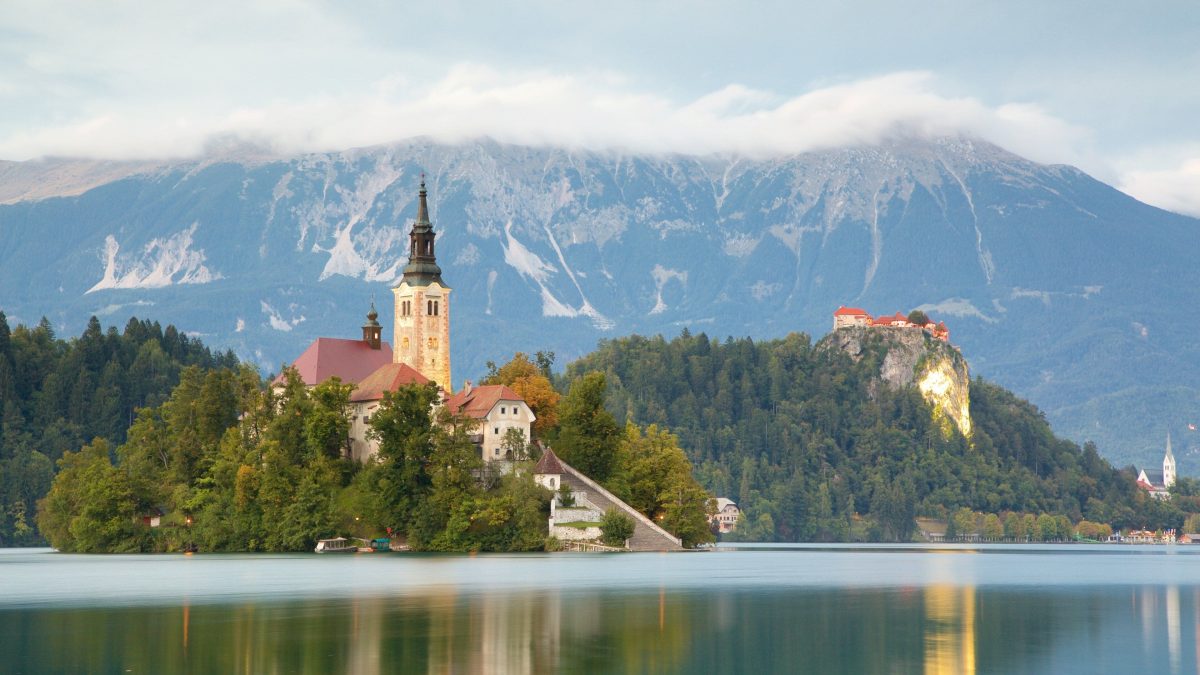
This is genuinely the reason to pick Slovenia over louder, more crowded nomad hubs. Lake Bled’s turquoise water and clifftop castle sit less than an hour from Ljubljana, while Triglav National Park protects the Julian Alps’ jagged peaks, glacial valleys, and the Soča River’s famously vivid emerald water. Slovenia is also one of the most forested countries in Europe, with woodland covering roughly 60% of its land area — a statistic that translates directly into daily life, since hiking trails, quiet forest towns, and mountain air are genuinely a short drive from the capital rather than a special weekend trip. For remote workers who find loud, party-oriented nomad hubs more draining than restorative, Slovenia’s quieter, nature-first pace is the actual selling point.
Infrastructure and Everyday Life
Remote Work Europe’s guide reports average internet speeds of 121 Mbps, with established coworking spaces in Ljubljana, Maribor, and Celje — enough to support serious remote work without connectivity anxiety. Slovenia’s central position also means Italy, Austria, and Croatia are all within easy reach for weekend trips, adding variety without requiring long-haul travel.
A Word on Tax Residency
As with most of the destinations we’ve covered, staying under 183 days in a calendar year generally keeps you outside Slovenian tax residency, according to Investra’s guide — but tax situations get genuinely complex once you cross that threshold or hold income from multiple countries, so a proper consultation with a cross-border tax professional is worth the cost rather than guessing.
How Slovenia Compares to Other Destinations We’ve Covered
If quiet, nature-first restoration is what you’re after, it’s worth comparing Slovenia directly against our other guides. Our Costa Rica digital nomad guide covers a similar wellness-first philosophy, but centered on Blue Zone longevity culture in the tropics rather than Alpine scenery. Our New Zealand digital nomad guide offers a comparably dramatic natural landscape without a formal visa category at all. And our best digital nomad countries roundup places Slovenia’s neighboring options, including Portugal and Spain, in context if you’re weighing all of Europe’s options side by side.
The Bottom Line
The Slovenia digital nomad visa is one of Europe’s newest and most straightforward programs, and it solves for something most nomad hotspots don’t: genuine quiet. Between the immediate family reunification benefit, reasonable income threshold, Schengen access, and some of the continent’s most restorative alpine scenery within a short drive of the capital, Slovenia is a legitimate answer for remote workers who want their relocation to actually feel calming rather than just scenic.
Sources:
- GetWhereNext — Slovenia Digital Nomad Visa 2026: Requirements & Application Guide, March 2026
- Remote Work Europe — Slovenia Digital Nomad Visa 2026: Requirements, Costs and How to Apply, June 2026
- ExpatDen — Slovenia Digital Nomad Visa Guide (2026): Requirements, Costs, and What to Expect, June 2026
- CitizenRemote — Slovenia Digital Nomad Visa 2026: Eligibility, Costs & How to Apply, July 2026
- Investra — Slovenia Digital Nomad Visa: Your Guide to Working Remotely in 2026, February 2026
- Yesim — Slovenia Digital Nomad Visa 2026: Requirements & Application Guide, May 2026



Leave a Reply